
How to Protect from Financial Scams this Holiday Season
The holiday season brings extra warmth — and unfortunately, extra opportunities for scammers. Increased online shopping, charitable giving, and package deliveries all create more openings for fraud. The good news is that a few simple habits can go a long way toward protecting yourself from holiday financial scams.
Here’s what to watch for this season.
Charity Scams
The holidays bring out generosity, and scammers know it. Fake charities often appear during this season, using names that sound similar to well-known organizations.
Red flags to watch for:
- Pressure to donate immediately, especially over the phone
- Requests for payment via gift card, wire transfer, or cryptocurrency
- Vague answers when asked how donations are used
- Charity names that sound almost, but not quite, like a well-known organization
How to protect yourself: Look up any charity independently before donating, rather than clicking a link in an email or text. Reputable charities won’t pressure you to give on the spot.
Online Shopping Fraud

With more shopping happening online during the holidays, scammers often set up fake stores or send phishing emails disguised as shipping notifications.
Red flags to watch for:
- Deals that seem far too good to be true
- Unfamiliar websites with no clear contact information
- Emails or texts asking you to “confirm” a package by clicking a link
- Requests for payment methods with no buyer protection, like wire transfers or gift cards
How to protect yourself: Shop on websites you know and trust, and type retailer web addresses directly into your browser rather than clicking links from emails or texts.
These verification habits — pausing, checking independently, never clicking a suspicious link — are the same ones we cover in Protecting Yourself from Medicare Scams.
Identity Theft Prevention
Between package deliveries, online orders, and holiday mail, this season creates extra opportunities for personal information to be intercepted.
Simple habits that help:
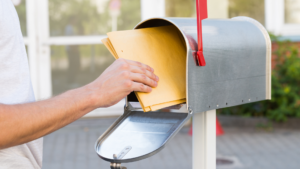
- Bring in mail and packages promptly, rather than leaving them out
- Shred any documents with personal or financial information before discarding
- Monitor your bank and credit card statements a bit more closely during the season
- Use strong, unique passwords for shopping accounts, especially ones with saved payment information
When in Doubt, Pause
The single most effective defense against holiday scams is also the simplest: slow down. Scammers rely on urgency to prevent careful thinking. If something feels rushed, pressured, or slightly off, it’s always okay to pause, verify, and talk it over with someone you trust before acting.
We’re Here to Help
At Senior Solutions Group, we believe that awareness is one of the best tools against fraud. If you ever receive a suspicious call, email, or offer and aren’t sure what to do, we’re happy to help you think it through.
📞 Call us: (509) 494-4288
💻 Watch more: Senior Solutions Group YouTube Channel
❓ Get quick answers: Visit our FAQ page
We’re always here to help you move forward with clarity and confidence.