
Planning for Healthcare Costs in Retirement

Planning for healthcare costs in retirement means facing one of the biggest — and most unpredictable — expenses on your list. Even with Medicare coverage, out-of-pocket costs for premiums, prescriptions, and unexpected care can add up quickly. The good news is that with a little planning, you can build a healthcare budget that gives you confidence instead of anxiety.
Here’s how to think through the major pieces.
Budgeting Strategies
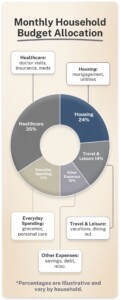
Planning for healthcare costs in retirement starts with understanding what you’re actually paying for. Healthcare costs in retirement typically include Medicare Premiums (Medicare Part B – your “entrance fee” to receive Medicare and then either Medicare Supplement and Medicare Part D plan premiums or Medicare Advantage Plan premiums). They also include deductibles, copays, and coverage for services Medicare doesn’t fully pay for, like dental or vision.
How to plan: Estimate your annual healthcare spending the same way you would any other line item. Include premiums, expected prescriptions, routine visits, and a cushion for the unexpected. Many financial planners suggest setting aside a dedicated “healthcare fund” separate from everyday retirement income. And when comparing plans, remember that the cheapest premium isn’t always the cheapest option overall — see our post on Medicare Mistakes That Cost You Money for more on this.
Prescription Costs
Prescription drug costs can vary enormously depending on your plan’s formulary and pharmacy tier structure — and they can change from year to year even if your prescriptions don’t.
How to plan: Review your Part D or Medicare Advantage formulary annually, and ask your doctor about generic alternatives when appropriate. Also factor in the Medicare Part D catastrophic coverage changes that took effect in recent years — they cap your annual out-of-pocket drug costs.
Long-Term Care Considerations

This is often the most overlooked — and most expensive — piece of the healthcare puzzle. Medicare provides very limited coverage for long-term custodial care, such as an extended nursing home stay or in-home personal care.
How to plan: Consider whether long-term care insurance, a hybrid life/LTC policy, or a dedicated savings reserve makes sense for your situation. The earlier this conversation happens, the more options are typically available.
Emergency Healthcare Expenses
Even the best plan can be disrupted by a sudden hospitalization, surgery, or diagnosis. Emergency costs can include hospital deductibles, out-of-network care while traveling, or short-term rehabilitation.
How to plan: Keep an emergency healthcare reserve fund separate from your general emergency savings. Know your plan’s out-of-pocket maximum so you can estimate a worst-case scenario.
Putting It All Together
Planning for healthcare costs in retirement isn’t about predicting every expense perfectly. It’s about building enough flexibility into your budget that a surprise doesn’t become a crisis. A little structure now can mean a lot more peace of mind later.
We’re Here to Help
At Senior Solutions Group, we help clients think through exactly these kinds of questions. That includes choosing the right coverage and planning for costs Medicare doesn’t cover. You don’t have to figure it out alone.
If you’d like help planning for healthcare costs in retirement, we’re here for you.
📞 Call us: (509) 494-4288
💻 Watch more: Senior Solutions Group YouTube Channel
❓ Get quick answers: Visit our FAQ page
We’re always here to help you move forward with clarity and confidence.